Monday, December 15, 2025

168. King Crimson - In the Court of the Crimson King (October 1969)


1. 21st Century Schizoid Man*

2. I Talk to the Wind*

3. Epitaph (Including "March of No Reason" and "Tomorrow and Tomorrow")

4. Moonchild (Including "The Dream" and "The Illusion")

5. In the Court of the Crimson King (Including "The Return of the Fire Witch" and "Dance of the Puppets")*


****

Blistering arrangements that switch time signatures like most songs switch chords? Check. Elaborate, classically influenced keyboards soaring all over the place? Check. Incomprehensible, fantasy-tinged lyrics intoned with the solemnity of a eulogy? Check and check. Well it looks like prog rock has arrived.

In fact this is often regarded as the first true prog album. In a lot of ways it shows both the best and worst that genre would have to offer. On the one hand you have some truly incredible music here. This album sounds like nothing before it, although it sounds like a hell of a lot that came after. But on the other hand the lyrics are largely inscrutable hippy nonsense, most of the songs are too long, and Robert Fripp's considerable talents are buried beneath oceans of mellotron and saxophone. But those mellotrons and saxophones are, frankly, the shit.

I really don't know what to make of this. It kind of sits beyond critical assessment. It's just so idiosyncratic, so simultaneously beautiful and frustrating. I think, really, that I love the first and last tracks. "21st Century Schizoid Man" rewrote the rules for heavy rock. It starts with stabbing chords and metallic vocals, then launches into a dizzying extended freak-out of scale runs that will have you wondering how in the hell a band could ever be that tight (seriously - are they wizards?), and then slams back into what sounds like Robert Fripp trying to tear his guitar in two in time to the beat. It's dazzling and it rocks. 

At the other end you have the title track. The swelling vocal harmonies and soaring keyboards are truly beautiful, creating a sound best described as epic. And the lyrics make no damned sense, but they're awesome. I mean, is there some deeper meaning to whatever the hell a fire witch is? What am I supposed to make of "the rusted chains of prison moons"? I gather that the Crimson King is an unsavoury character, and possibly the whole song is about how everyone is enthralled to a mindless and destructive authority. But I won't pretend I don't mostly just like this song because it's so damned trippy. And as a sensory experience it's almost overwhelming. 

I won't pretend to be a King Crimson expert, but I do like some of their stuff and I'm quite fond of Discipline. ITCOTCK is one of those albums that are arguably more important for how they changed and shaped the musical landscape than because of intrinsic musical worth. Don't get me wrong - this is a really good album and you should listen to it; but its real importance lies in the way King Crimson basically threw the rules of rock music out the window and created an entire genre from scratch. That they created something so pretty and engaging in the process is just icing on the cake. 


167. The Kinks - Arthur (Or the Decline and Fall of the British Empire) (October 1969)


1. Victoria*

2. Yes Sir, No Sir

3. Some Mother's Son

4. Drivin'

5. Brainwashed

6. Australia*

7. Shangri-La*

8. Mr. Churchill Says

9. She's Bought a Hat Like Princess Marina

10. Young and Innocent Days

11. Nothing to Say

12. Arthur


****1/2


It's always astounding that the Kinks managed to fit such great lyrics to such great music. It almost doesn't seem fair to the other bands. Here, Ray Davies goes full concept, with a suite of songs following the sad, small life of an unremarkable British everyman across the first half of the Twentieth Century. Things open with the glorious "Victoria", a rollicking and insanely catchy piss take of Empire and dreaming of growing up to fight and die for your country. The next two songs are dark examinations of what that actually means, ending with a clueless recruit being shot dead in a field. The rest of the album continues that tightrope walk between seething contempt expressed through wryness and irony on the one hand, while on the other showing a genuine compassion for the poor stiffs who are being relentlessly exploited by the establishment as they drag themselves through their cold, empty lives. They go driving in the country. They buy fashionable hats instead of food. The lucky ones emigrate to Australia (which is not, nor has it ever been, the halcyon wonderland the song hilariously depicts). And of course there's "Shangri-La", a colossus of a song that perfectly captures the hollow promise of the *insert country here* Dream - working your fingers to the bone so you can live in a cookie cutter house with a mortgage over your head, slowly realising that you'd better enjoy it because you're trapped there till the day you die. But at the end of it all is "Arthur", a gentle, only slightly mocking reminder that someone out there loves you - that they understand your plight, and while they may think you're silly to go along with things, and possibly a bit thick, they do realise how things turned out this way and they care. 

So as a concept album, Arthur... is a great success lyrically. Thankfully those lyrics are backed by some of the Kinks' best music. I already mentioned "Victoria", which takes bouncy, psych-tinged garage rock and twists it into hook-laden pop. But most of the songs are less immediate, and more complex in their structure. "Shangri-La" in particular is a little pocket symphony, ranging from delicate acoustic balladry to manic pop-rock sha-la-las over dirty guitars. And the music all serves the lyrics, so the whole thing hangs together beautifully. 

I don't know what to say, really. On a musical level this is an immediate, catchy album. Lyrically, it's incredibly complex and insightful, managing to juggle mocking irony with genuine pathos and always punching up at the establishment that creates all these countless little tragedies which beset our lives. When the Who wrote a rock opera, they crapped out some nonsense about a pinball player and acted like they'd discovered the meaning of life. The Kinks laser in on a perfectly unremarkable person, of which there are untold millions all over the world, and find genuine meaning amid the misfortunes of his unexceptional life. This album is so smart, so funny, and damned near perfect. 


Monday, April 7, 2025

166. The Grateful Dead - Live/Dead (November 1969)


1. Dark Star*

2. St. Stephen*

3. The Eleven

4. Turn On Your Love Light*

5. Death Don't Have No Mercy

6. Feedback

7. And We Bid You Goodnight


***1/2


Something which has never occurred since time immemorial; an acid rock band released a double album of extended jams that you could actually make it through sober. 

The Grateful Dead are a pretty easy target. People who grew up on three minute pop or hard, fast punk and hip hop may not have a great deal of time for a twenty minute jam with lyrics about stars crashing and mirrors exploding. But this is a very solid album. True, it's not entirely my thing, but I enjoyed American Beauty and I enjoy this album. Not to the extent that I particularly want to listen to the whole thing through very often, but it has a lot of merit. The Grateful Dead had a genuinely new approach to music - they didn't swipe from a bunch of genres to create a "new" sound, they twisted and warped a myriad of influences and then let them develop and expand on stage. Also they did drugs. So many drugs.

The thing that makes this album work is the sequencing. "Dark Star", the longest song, starts as a gradual mish mash of the different instruments as the musicians find their feet, and slowly coalesces into a very pretty and complicated piece of music. But I don't think most people would want a whole album of that sort of thing, and that appears to include the Grateful Dead - the next song, "St. Stephen", is an up-tempo rocker with surreal, humorous lyrics. And this continues through the ferocious workout "The Eleven", and the extremely fun extended R&B number "Turn On Your Love Light" (probably the most "normal" song here), which features exhortations to the audience and call and response vocals, and which has relatively comprehensible lyrics about love. 

After that, things cool down with the dark blues of "Death Don't Have No Mercy", then slide into the only moderately successful "Feedback". "Feedback" is probably the easiest target on an album full of easy targets, but that may just be because, post Sonic Youth, the idea of using guitar feedback as an instrument in itself can seem a little quaint. But while it takes a while to get going, by the end Jerry Garcia is coaxing a very strange and pretty melody out of his amp, creating a soundscape quite unique for its time.

The really good thing about this album is that it works so well as a live document. IIRC it was originally sequenced to be played on an auto-changer, and listening to it through one does get the sense that one is enjoying a top-notch concert performance by a bunch of extremely talented musicians. That live experience is a huge part of the album's charm, which is kind of funny when you consider that such a cohesive album was actually patched together from recordings of various different shows. I rarely go to concerts these days, but I used to go quite a lot, and Live/Dead perfectly captures the feel of being at a concert even if that causes it to suffer slightly as a album (IMO it would have made more sense to drop "Feedback" and close with a show-stopper). 

So I doubt I'll be throwing on a tie-dye t-shirt and declaring myself a Dead Head any time soon, but this is a very good album and a very important document of a band who obviously cast a very long shadow. Applying the improvisational methods of jazz to something so overtly rock, and doing  so successfully, is one hell of an achievement. But based on my experiences with the band, I think American Beauty is where I'd recommend neophytes start. 


Tuesday, February 4, 2025

165. Isaac Hayes - Hot Buttered Soul (June 1969)


1. Walk On By

2. Hyperbolicsyllabicsesquedalymistic

3. One Woman

4. By the Time I Get to Phoenix


****1/2


I was kind of dreading this album. There are a few reasons for this. One is that funky, string-drenched make out music has kind of a bad rap these days, and I can't pretend I'm not effected by popular opinion. Another, more personal, reason is that the Dionne Warwick version of "Walk On By" is one of my absolute favourite songs. Like, if they stranded me on a desert island with an old 500 mb iRiver I would have that song on it. It's a masterpiece of construction - concise, complex and perfectly played, with one of the greatest singers of all time delivering one of the greatest lyrics of all time. So the existence of a twelve minute make out music version by the guy who played Chef in South Park concerned me. 

Of course, I needn't have worried. Isaac Hayes wrote the theme from Shaft, for God's sake. He knows what he's doing. His version of "Walk On By" is a classic from the moment it starts. From the immortal string part that opens it, through the stinging guitars and complex Hammond organ parts, it carries over the Bar-Kays' rock solid rhythm section to a devastating climax that basically bludgeons you with soul awesomeness for several minutes. And of course Isaac Hayes' vocals are an easy target, but that's just because his deep, declamatory and ultra sexy approach came to define a genre, and so what must have been astounding and revolutionary 55 years ago might seem a little cliché now. Just get yourself in the right headspace, and you'll appreciate what a brilliant song this is. I mean, Portishead built a career out of ripping it off. And like Dummy, you could put it on at a dinner party, cry to it post break-up, or, of course, fuck to it.

The fucking part is heightened by the way the song slams into the Meters-esque funk epic "Hyperbolicsyllabicsesquedalymistic" (thank heavens for copy and paste). Where the preceding track is loose and ambiguous and multi-purpose, this is a straight-up sexy work out and totally awesome. I can only assume the plan for side one of this album was to put it on, get your desired to appreciate what a sensitive, deep and soulful character you are, and then proceed to screw their brains out. And fair enough. People have made worse albums for far worse reasons. Anyway, side one of this album kicks arse.

Side two also kicks arse, but in a different way. "One Woman" isn't a bad song, but it's a merely good song amongst three brilliant ones. It's pretty and soulful but largely moves away from the make out style of side one. It's also relatively short. Still, it provides an effective segue into what might be the best song on the album, the truly heart-breaking "By the Time I Get to Phoenix". Now, I have never heard the original, so don't ask me to compare and contrast. But the approach of this song is some next level shit. Over a two-note bass groove and a subtle organ vamp, Hayes spends nine or ten minutes laying out the back story for the song, a deeply relatable story about a man who falls for exactly the wrong kind of woman. Credit to Hayes, he manages to be chiding without ever veering into misogyny. A poor guy falls head over heels for a philandering gold digger, works his arse off to give her everything she wants, and (as Hayes says), she mistakes love and kindness for foolishness and weakness. The guy tries and tries to leave, finally manages to break away, and then the actual song kicks in. It's incredible. If I ever have kids, no matter what sex or gender they are I'm making them listen to this song the minute they hit puberty. Of course, I also plan (in the unlikely event I do have children) to make them watch Requiem for a Dream. So I don't know, maybe don't take my parenting advice. 

The sound of this album is a brilliant consolidation of all the different trends in soul and pop over the past ten years, reworked and given room to breathe by extending the songs to near-absurd lengths, There's an almost classical complexity to some of the music, but it remains earthy and soulful throughout. It's classy as fuck, but also fucking funky. It's one of those albums that cast a long shadow over the decade to come. And just look at that cover! The title may be terrible considering the music contained within, but Hayes looks like the coolest motherfucker on the planet. It's not really surprising that between this and the Shaft sountrack, Hayes would wind-up elevated from behind-the-scenes to pop superstardom in the course on a couple of years. Let's just overlook the whole Scientology thing, and that unfortunate episode of South Park about screwing underage boys. If you take this music for what it is, this is easily one of the coolest and sexiest albums I've ever heard. 


Monday, January 13, 2025

164. The Youngbloods - Elephant Mountain (April 1969)


1. Darkness, Darkness*

2. Smug

3. On Sir Francis Drake

4. Sunlight*

5. Double Sunlight

6. Beautiful*

7. Turn It Over

8. Rain Song (Don't Let the Rain Bring You Down)

9. Trillium

10. Quicksand

11. Black Mountain Breakdown

12. Sham

13. Ride the Wind


***1/2


Some albums blow you away with their daring arrangements and unexpected turns. Others just present a sort of inarguably quality throughout. Elephant Mountain is definitely one of the latter sorts. Opener "Darkness, Darkness" is both a brilliant song and highly misleading - its inky balladry is completely at odds with the subtle, sunshine infused R&B of the rest of the album. It's a dark, strange, beautiful song, but it really stands at odds with gorgeous numbers like "Sunlight" and "Beautiful".

This is an incredibly tasteful, well played and recorded album. There's barely a note out of place. Sometimes this can be a little disappointing, as The Youngbloods never really tear loose. But there's a place for subtle, impeccably played pop music, and if you're in the mood for that sort of thing I can definitely recommend Elephant Mountain. It's the perfect soundtrack to a summer's day (something I can vouch for - it is midsummer here and I've been relaxing on my day off with a few drinks). Although West Coast in sound, the Youngbloods hailed from New York and did the hard yards in Canada, and the result is sunshine pop with a harder, slightly artier edge. The rhythm section (especially the bass) is deep and rock solid. The guitar work is usually tasteful but engages in a few flights of fancy. And throughout you have some beautiful electric piano playing. Now, I may be in the minority with this, but I absolutely love the electric piano. And Lowell Levinger knows exactly what he's doing. 

Even though it's mostly ultra-tight soul-rock crossover music, there are also a few interesting jazz rock explorations (the multi-part "On Sir Francis Drake" is a good example). So you get a lot of variety, which is nice. I guess this is folk rock, but it tends far close to rock than folk, and successfully incorporates a lot of looser jazz elements into the music. Not just in the piano and organ accompaniments, but in the subtle and shifting way the group approach harmonics. This is some classy shit.

Anyway, it's not the greatest album in the world, but if you want smooth rock and R&B done right, this is definitely worth checking out. 


163. The Fairport Convention - Unhalfbricking (July 1969)


1. Genesis Hall

2. Si Tu Dois Partir

3. Autopsy*

4. A Sailor's Life*

5. Cajun Woman

6. Who Knows Where the Time Goes?*

7. Percy's Song

8. Million Dollar Bash


****1/2


And so we come to one of my very favourite bands. It's nice to encounter new music, but it's also nice to be able to settle in with an old favourite. Unhalfbricking is in many ways Fairport's high point. Their first two albums were pretty solid, and Liege & Lief has a couple of incredible songs in "Tam Lin" and "Matty Groves", but Unhalfbricking is just such a pretty, likeable, and diverse album. Unhalfbricking sees the band synthesising their West Coast American influences with traditional British folk fare, and the result is music that manages to sound new and vital while also drawing on a diverse range of traditional influences. There are a few zydeco-influenced numbers, and some excellent Bob Dylan covers. But there's also the epic sprawl of "A Sailor's Life", a song that rewrote the rules for what folk rock could be. There's the jazz-inflected, time signature-hopping "Autopsy", a beautiful and heart-breaking song about trying to break free from a cycle of self destructive depression and introspection. And there's the gorgeous "Who Knows Where the Time Goes?", possibly vocalist par excellence Sandy Denny's finest hour as both a singer and a songwriter. 

And really, it's hard to overstate just how good Denny is. Along with the superb Richard Thompson on guitar, she's really responsible for Fairport's classic sound. It's unfortunate that she'd spend the Seventies sliding into coke addiction and ultimately die of a brain haemorrhage after a drunken fall down a flight of stairs. There's a reason she's the only singer Led Zeppelin ever let guest on one of their songs. Her voice can be smooth as silk or (as on "Percy's Song") as strident and forceful as the wind. Add to that that she managed to write something as beautiful and affecting as "Who Knows Where the Time Goes?", and she's really everything you could want in a folk singer.

I won't go on for long about Unhalfbricking, because I really couldn't be bothered, but if you like folk rock, or even just rock in general, this is an essential album. Richard Thompson's jaw dropping guitar work and Sandy Denny's beautiful voice are worth the price of admission alone. It's a bit sad really. Here on Unhalfbricking, they present themselves as a bunch of nice young folks who might enjoy the odd smoke or drink but are really more interested in making beautiful music. They are, really, kind of a rock band for squares, but they have appeal beyond cardigan-wearing chicken farmers because they have a passion and a talent for music that elevates their music and because they really did have a new and exciting approach to not just rock, but music in general. Unhalfbricking lets you see every side of that band - everything from epic folk workouts to simple pop songs. The Fairport Convention were really something special. 


Tuesday, January 7, 2025

162. Chicago - Chicago Transit Authority (April 1969)


1. Introduction

2. Does Anyone Really Know What Time It Is?*

3. Beginnings*

4. Questions 67 & 68*

5. Listen

6. Poem 58

7. Free Form Guitar

8. South California Purples

9. I'm A Man

10. Prologue, August 29, 1968

11. Someday (August 29, 1968)

12. Liberation


***1/5


If you're like me, you only really know Chicago from their song "If You Leave Me Now", which was mockingly reworked by Lemon Jelly and used as Butters' unofficial theme song in South Park. And fair enough - Chicago are I guess one of those bands that were huge at the time but have been largely forgotten by modern rock fans. This is a bit unfortunate, because as it turns out they're actually pretty great. As with most double albums, Chicago Transit Authority goes on far too long and doesn't have quite enough ideas to sustain its length, but this is still a pretty great album. In many ways, it's the album Blood, Sweat & Tears thought they were making - a clever mix of jazz, R&B, soul and hard rock that has had genuine thought put into it and is being performed by ferociously talented musicians. The result is an album that starts as proggy awesomeness, transitions through soul, jazz and psychedelia, and ends with a fourteen minute wah-wah guitar freak-out worthy of Jimi Hendrix. It's kind of awesome, and unlike most double albums you can actually listen to it all the way through without getting bored. 

A lot of the success of this album can be attributed to the band's attitude. They were all shit hot players, but rather than produce a bunch of techy nonsense they wanted to make an album of clever, innovative good time music. This means that they treat their audience with respect, and understand that most people listen to music to feel better about things and relax a bit. So this is an album you could put on at a party, or listen to by yourself while knocking back a few drinks (which is what I did). The songs are all very well done in the way they mix big band jazz with rock music (it sounds like a terrible idea but works really well), and they're all very cleverly structured so that ideas flow naturally rather than just having the songs lurch between genres. "Introduction" is a borderline prog workout, but the lyrics are just the singer exhorting people to have a good time while the band try and search for a new kind of music (impressively, they largely succeed). Then you have the classic "Does Anyone Really Know What Time It Is?", which starts with a free jazz piano exploration and then shifts into a pop song so glorious it's like sunshine in a jar. 

The back end of the album contains looser, less carefully structured songs presumably more reflective of the band's live sets. "Freeform Guitar" is just guitarist Terry Kath improvising on his guitar, but it's actually pretty great and kind of a precursor to noise rock. That contrast between a harder, more exploratory form of rock and lighter pop sensibilities is part of what makes this album work so well. Chicago were obviously very well educated musically, and had pretty wide-ranging tastes, but they also understood how to craft songs that someone who wasn't on drugs might want to listen voluntarily. That sounds like an obvious thing to be but trust me - I have listened to 162 albums for this project and it is a lesson many, many artists have failed to learn. 

You could criticise this album for being a precursor to Seventies soft rock, but I actually don't mind that sort of music too much. Yes, Chicago probably led to REO Speedwagon, but on the other hand "Roll With The Changes" kicks arse. So this is a bold, ambitious, and incredibly fun album of highly innovative music, and I was glad to encounter it. If not for this project, I doubt I would ever have given Chicago the time of day. But Chicago Transit Authority is well worth a listen. 


Monday, December 23, 2024

161. Tim Buckley - Happy Sad (April 1969)


1. Strange Feeling*

2. Buzzin' Fly*

3. Love from Room 109 at the Islander (On Pacific Coast Highway)

4. Dream Letter

5. Gypsy Woman*

6. Sing a Song for You


***


I didn't much care for the previous Tim Buckley album we had on this list. I felt like he was searching for something and hadn't quite found it, and his lyrics were generally fucking terrible. Here, however, Buckley stretches out and relaxes, his voice is in fine form and more used as an instrument than a delivery mechanism for pseudo-intellectual balderdash, and there are jazz elements that are beautifully incorporated into his mellow brand of folk rock. 

That said, I can't really call myself a Tim Buckley fan. I think the problem is that this is basically make out music for depressed heroin addicts, and the closest I can come to that state of mind is lying on my couch drunk at one in the morning. But I mostly listen to these albums during the day, more or less sober, and so I'm not really adequately attuned. 

That said, there's a lot to like here. The lyrics are secondary to the music, and as an exercise in sustained mood Happy Sad is pretty great. It's the sort of album that's great to have on in the background when you want to listen to something but don't at the same time. There's much more emphasis on the music, and the feel of the music, than there is on anything else. Buckley's voice is, here at least, pretty incredible - a soulful moan with an incredible range. I just wish there were more actual songs. I like the idea of highly experimental jazz-folk easy listening on paper, but when a guy is capable of writing something as charming as "Buzzin' Fly" I can't help but wish he'd hew a little closer to pop music, or at least something that is recognisably a song.

So I doubt I'll be joining the cult of Buckley, but this is a nice listen, even if it occasionally pissed me off. I have high hopes for Starsailor, which is generally regarded as his magnum opus. 


Tuesday, November 19, 2024

160. Sly and the Family Stone - Stand! )April 1969)


1. Stand!*

2. Don't Call Me Nigger, Whitey

3. I Want to Take You Higher

4. Somebody's Watching You

5. Sing a Simple Song*

6. Everyday People*

7. Sex Machine

8. You Can Make It If You Try


****


Some albums piss me off because they're terrible and annoying. Stand! pissed me off because it's six great songs and two of the biggest wastes of time I've ever been subjected to. You have here amazing stuff like "Sing a Simple Song" and "Everyday People", and then you have complete bullshit like "Don't Call Me Nigger, Whitey" and the thirteen minutes of aimless crap that is "Sex Machine". And fair enough - "Sex Machine" is repetitive and funky and exactly long enough to have a reasonably rewarding conjugal engagement to, but it's also fucking annoying. "Don't Call Me Nigger, Whitey" is a far worse offender - not only is it cheaply provocative sophomoric claptrap, but its refrain will bury itself in your head so that you'll spend the next few days after hearing it with unpleasant racial slurs running through your mind. And that vocal wah-wah crap is just terrible.

If you can get past those two profoundly mediocre songs, then Stand! is an absolutely incredible album. The mix of styles is in and of itself political, as much about integration and coming together as the mixed race nature of the band. "Stand!" itself isn't a great song, but then the coda kicks in and it's one of the most glorious gospel-funk-whatever grooves you'll ever hear. "Everyday People" is almost tear inducing in its earnest plea for racial harmony. "Sing a Simple Song" swipes from James Brown and the Meters to create one of the funkiest songs ever recorded. And even if I hate "Sex Machine", I can't deny the obvious influence it exerted on Miles Davis' far more successful forays into long form funk rock jamming. 

The mix of styles here has echoed down through popular music for decades. The experiments aren't always successful, but Stand! represents a watershed moment in popular music. It's kind of sad, really - in a lot of ways the story of the band is the story of the 1960s. They went from this glorious, optimistic band to Sly Stone alone in his bed crooning coked-out nonsense over drum machines. With the benefit of hindsight it's obvious that the 60s dream was never going to work, if only because everyone had a different idea of what they wanted and you had everyone working at crossed purposes. Stand! is as much a testament to the power and conviction behind that dream as There's a Riot Going On is a bleak portrait of just how badly everything went wrong. Given the state of the world at time of writing, Stand! was a welcome reminder of what we're still, all these years later, working towards. 


Monday, November 18, 2024

159. The Temptations - Cloud NIne (February 1969)


1. Cloud Nine*

2. I Heard It Through the Grapevine*

3. Runaway Child, Running Wild*

4. Love is a Hurtin' Thing

5. Hey Girl

6. Why Did She Have to Leave Me (Why Did She Have to Go)

7. I Need Your Lovin'

8. Don't Let Him Take Your Love From Me

9. I Gotta Find A Way (To Get You Back)

10. Gonna Keep on Tryin' till I Win Your Love


***1/2


This is another two for one album. Side one sees the Temptations straying a long way from "My Girl" territory, exploring a hard and expansive form of psychedelic soul that employs funky guitars and complex vocal interplay. Side two is more conventional - the production is still quite innovative, but it's all short love songs more in line with what people would expect from the group at the time. So I guess I'll mostly talk about side one.

"Cloud Nine" is a pretty astonishing opener. An admitted bid to stay relevant in a changing pop landscape, it sees the group telling a story of a poor black youth escaping into drugs to deal with the general shittiness of existence. However, it's also quite a clever song because on a cursory listen you might mistake it for a song about the power of positive thinking. It's also quite ambiguous about whether it condones or condemns drug use. Then, musically, it incorporates psychedelia and funk to create a hard, slightly spooky backdrop for the vocals. It's not really surprising that it won a Grammy, as it's an obvious template for so much of the harder edged, socially conscious soul that would dominate the early 70s. 

The Temptations' version of "I Heard It Through the Grapevine" isn't about to knock Marvin Gaye's version from the top spot, but it's a great cover in any case. There's a stripped-down, jazzy feel but the repeated use of the famous riff holds the song together despite its explorations.

Lastly on side one, you have the truly epic "Runaway Child, Running Wild", which goes for almost ten minutes and tells the story of a teen runaway who finds the world is too much to handle, with the Temptations urging them to go back home before they come to a bad end.

So that's three great songs, two of them dealing with some pretty weighty themes, all representing a new direction musically for soul music. When you consider the towering achievement that is side one of Cloud Nine, it's not really surprising that the more conventional fare on side two comes as a bit of a let down. That's talking as someone with little knowledge of the group, mind - for long time fans at the time side two's collection of pretty ballads was probably quite welcome, showing that the group had matured as artists but weren't about to abandon their roots as purveyors of smooth pop. And the sonic innovations of side one are largely carried over to side two, in a more understated form, with psychedelic tinges and wah-wah guitars and the like. 

In the end, I enjoyed this album quite a bit but I feel it would work much better on vinyl, where you can treat it as two separate listening experiences. Playing through the whole thing on Spotify, there's a contrast between the material that means it doesn't quite work, even if all the songs are solid. 


Monday, November 11, 2024

158. The MC5 - Kick Out the Jams (February 1969)


1. Ramblin' Rose

2. Kick Out the Jams*

3. Come Together*

4. Rocket Reducer No. 62 (Rama Lama Fa Fa)

5. Borderline

6. Motor City Is Burning*

7. I Want You Right Now

8. Starship


***


I'm really of two minds with this album. On the one hand, this is the birth really of overdriven riff rock of the sort that would lead to punk music in a few years. You can see it as a point of origin for everything from stoned out noise jams to the Saints' debut. Unfortunately, on the other hand the lyrics are moronic and the songs all kind of sound the same. And don't give me that crap about the mystique of the band, and how they were violent revolutionaries or what have you. Violent revolutionaries can eat my shorts. This is a stupid, stupid album of stupid, stupid music, made by a bunch of drug addicts who seemed to think that the best solution to the world's myriad problems was to burn everything down and start again.

Musically, though, this album is pretty great. There's a bigness to the sound that more than compensates for bullshit like stealing the riff from "I Can See for Miles" for "Come Together". There are also moments of technical virtuosity which show that the band were playing dumb more as a stylistic choice than because of technical limitations. And if you want a big, dangerous album of overblown garage rock nonsense then this is definitely the album for you. Personally, I don't think the MC5 do anything here that wasn't done much better later on. Yes, they were first, but they seem kind of quaint in retrospect. And frankly, their politics are a bunch of confused, hedonistic bullshit. If you want the same experience, only done really well, I suggest checking out Raw Power by the Stooges or the Saints' debut. 

I could probably write a bunch about the socio-political stance of the band or their impact on future musicians but honestly I will just say this - they opened the door for a lot of great shit, but they themselves were a bunch of pretentious idiots. "I Want You Right Now" features grotesque sucking noises that are less sexy than troubling. And "Starship" is eight minutes of my life that I will never get back.

Also make sure if you're listening on Spotify to choose the Japanese release of the album - the other version doesn't have the rude bits included.


Sunday, November 10, 2024

157. Led Zeppelin - Led Zeppelin II (October 1969)


1. Whole Lotta Love

2. What Is and What Should Never Be*

3. The Lemon Song

4. Thank You*

5. Heartbreaker

6. Living Loving Maid (She's Just A Woman)

7. Ramble On*

8. Moby Dick

9. Bring It On Home


****1/2


I can't imagine what it must have been like for rock fans in 1969. They were probably still reeling from the first Zeppelin album when along comes "Whole Lotta Love" and blows a hole through their heads. What's really impressive is that "Whole Lotta Love" isn't even the best song on the album. Yes, it's totally awesome, and that riff is the wellspring of so much metal and hard rock - a brilliantly simple loping arpeggio that distils the hardest, most primal elements of the blues into pure rock. But I don't really think the weird psychedelic freak-out that comprises the middle of the song has aged that well.

Most of the songs on this album are firmly rooted in the blues, even if it's Zeppelin's trademark overblown, expanded, thunderous version of the blues. Sometimes this works extremely well ("Whole Lotta Love", "Heartbreaker") and sometimes it doesn't ("The Lemon Song", which I don't much care for even though it has a cool riff). What's really interesting, though, is the move into, I guess I'll say "softer" territory, although even the ballads on this album rock pretty hard. "What Is and What Should Never Be" features a delicate flanged vocal and jazzy elements which contrast beautifully with the heavy chorus. "Thank You" is the pretty, stoned-out power ballad that every pretty, stoned-out power ballad wants to be when it grows up. And "Ramble On" is not only great musically, but introduces Tolkien into the classic rock lexicon. At first it just sounds like a cool song about someone looking for love, but then Plant starts warbling about Gollum and it starts to seem like this is actually a song from the perspective of a Ranger of Middle Earth. 

The lyrics are interesting on this album. Plant stills wails the blues, but he also shows a move towards the quasi-mystical High Fantasy prettiness that makes up a lot more of Zeppelin's catalogue than most people seem to remember. So you have something as simple and beautiful as "Thank You" contrasting with "The Lemon Song", in which Plant asks a woman to squeeze his lemon till the juice runs down his leg. Then there's "Whole Lotta Love", in which Plant promises to give the listener every inch of his love. Pretty risqué. 

I suppose I should mention the rhythm section. John Bonham cements himself here as probably the best drummer in the history of rock, while at the same time wasting everyone's time with the rather unimpressive solo that makes-up the bulk of "Moby Dick". John Paul Jones is an extremely nifty bass player, and his keyboard contribution on "Thank You" is just beautiful. Put them together and you have a rock solid foundation for Plant's vocal wanderings and Page's restless guitar work. It's kind of amazing that four people could meet and click so well musically. They haven't quite reached their peak on II, but there are several career highlights here, and the bulk of the record more than makes up for duds like "Living Loving Maid". Sometimes their experimentalism gets the better of them, for example on the largely pointless "Moby Dick", which is not the awesome song about Moby Dick which I really wish Zeppelin had written, but instead a drum solo bookended by a kind of cool riff. And it seems kind of silly to me to bury the totally rocking bulk of "Bring It On Home" between two muddy patches of faux-blues nonsense. But really, I'm not complaining about an album that features songs like "Heartbreaker" and "Ramble On". This is an incredibly fun album, and I've listened to it half a dozen times in the last few days. It's not perfect, but the risks taken here more often than not pay off in spades. 


Wednesday, November 6, 2024

The Band - The Band (September 1969)


1. Across the Great Divide

2. Rag Mama Rag

3. The Night They Drove Old Dixie Down*

4. When You Awake

5. Up on Cripple Creek*

6. Whispering Pines*

7. Jemima Surrender

8. Look Out Cleveland

9. Jawbone

10. The Unfaithful Servant

11. King Harvest (Has Surely Come)


*****


I found Music from Big Pink to be both beautiful and frustrating. It was unique for its time, but the lyrics were a bit confused and vague and some of the experiments didn't really work. Still, it was a brilliant album and I doubted the Band would be able to top it. As it turns out, I was wrong. The Band does everything Music from Big Pink did, but better; and it has quite a few new tricks to surprise the listener.

Normally, I find listening to these albums multiple times a bit of a chore. I think I'm on my fourth or fifth listen of The Band, and I still haven't tired of it. The sound and approach of this album is so complex, deep and layered that there's something new to like every time you listen to it. The music is deeply experimental and retains the debut's woozy charm, but there's also a much more commercial sound to it - there are genuine pop songs here, even if they're pretty odd by 1969 standards. More than anything, this is what I term one of those "Aha!" albums. When I first heard Tom Petty and the Heartbreakers' Greatest Hits, I suddenly realised their music was the origin of so much stuff that I love. I won't say that I love all the music that The Band inspired, but it's pretty clearly the source from which so much 70s rock flows. I mean, I can't imagine Pretzel Logic or the Eagles existing without it, for example. 

The sound is hard to describe, really. The band are continuing their fusion of classic country and rock with soul, and even throw a bit of funk in. A good example is "King Harvest (Has Surely Come)", which is a soul-funk song about the unionisation of farmers. At the other end of the spectrum you have the utterly brilliant "The Night They Drove Old Dixie Down", a heart-breaking folk rock song about a poor Southern farmer at the tail end of the American Civil War, trying to make sense of his life and the the loss of his brother in combat. It's not really the sort of song that would get much traction these days, because it's actually complicated thematically and requires you to think a bit to realise it's not glorifying the Old South. But it is a beautiful song, the sort of thing that sounds like a genuine artefact of the Civil War despite being written in the 60s by a Canadian. It also shows how far The Band had come as lyricists - the metaphysical balderdash that hurt Big Pink so much is replaced by intelligent lyrics about real issues, full of wit, compassion and warmth. 

I haven't heard the Band's later work, but I have little doubt this is their peak. Unfortunately after this album tensions would begin to mount in the group, and several of the members would slide into heroin addiction. I still intend to look into their music, though. Not being able to match the brilliance of The Band is hardly surprising. It really is a great album - by turns funny, sad, wistful and rocking. The mixture of soul and country is brilliant, and there are so many odd little moments to love - the fiddle intro to "Rag Mama Rag", the sudden fade out on "When You Awake", the funky keyboards on "King Harvest". You can put it on in the background, or sit and listen to it carefully on headphones, and either way it's a rewarding experience. I'm really glad I heard it, as discoveries like this make doing this project worthwhile. 


Monday, November 4, 2024

155. Led Zeppelin - Led Zeppelin (January 1969)


1. Good Times Bad Times*

2. Babe I'm Gonna Leave You

3. You Shook Me

4. Dazed and Confused*

5. Your Time Is Gonna Come

6. Black Mountain Side

7. Communication Breakdown*

8. I Can't Quit You Baby

9. How Many More Times


****


Homer Simpson once quipped that Jimmy Page was "the greatest thief of Black American music of all time". This is kind of true, but it's worth noting that back in the late 60s British bands engaging in borderline copyright-infringing reworkings of old blues songs was a pretty common thing. And Page didn't just rip off Black people - he ripped off Jeff Beck's version of "You Shook Me" and straight-up stole the foundations of "Dazed and Confused". In any case, I don't know that that line of reasoning is especially productive. Whatever his sources, Page's approach was ground-breaking and unique. I can't imagine anyone preferring Beck's version of "You Shook Me" (though, to be honest, I don't much care for either version). And "Dazed and Confused" is one of those songs that pretty much rewrote the rules of popular music. Without it there'd simply be no heavy metal. Or at the very least no Black Sabbath. 

65 years later, the idea of skull-crushingly heavy riff-based stadium rock is pretty old hat. The genre's been celebrated, buried and resurrected any number of times over the years. But Zeppelin endure through it all, for the simple fact that they rock so fucking hard. Yes, Robert Plant's lyrics are, at this early point, not overly complex and frankly rather misogynistic. And he hasn't really learned to control his voice yet. But putting that aside, you have three of the finest instrumentalists in the history of popular music backing him up. And best of all, these guys can all play brilliantly, but they're not too proud to play dumb when it's called for. So you have immediate, ultra-rocking riffs backed up by a pounding rhythm section, but you also have blistering, technically dazzling solos and forays into gentle, complex folk and psychedelia. 

This is not my favourite Led Zeppelin album, mind. Of course that's IV. And truth be told, I find it difficult to sit through any of their albums except for IV and Houses of the Holy. But Led Zeppelin is a pretty kickass album. The eclecticism for which the band are famous is already present, and so you get a good mix of heavy rock with folk and even Indian influences. But there's also a simplicity and rawness to the album - probably attributable to the brief time and low budget of the recording, as well as the fact that most of these songs were worked-out live before hand and so tend to reflect one of their sets. "Dazed and Confused" is, I think, the only song here that can really stand alongside their later classics, but it's one hell of a brilliant song and worth the price of admission alone. The "so dumb it's brilliant" riff on "Communication Breakdown" is another highlight, and "How Many More Times" is a ferocious workout that highlights all the band's strengths (and gets pretty funky, too).

What really sets this album apart from its peers is the approach. Plenty of bands had rocked really damned hard before Led Zeppelin, but none in quite this way. The incorporation of so many different forms of music into a cohesive sound, rather than diluting the impact of the music, resulted in something incredibly immediate and thrilling. I'm actually looking forward to revisiting the first few Led Zeppelin albums, as I suspect I may find myself enjoying them a lot more than I did previously - especially coming to them from behind, as it were, with a better knowledge of just what preceded them and how they fit into the history of rock. It's fun to discover new music, but it's also fun to rediscover bands and albums you never gave a fair shake in the first place.


154. Quicksilver Messenger Service - Happy Trails (March 1969)


1. Who Do You Love Suite -

I. Who Do You Love (Part One)

II. When Do You Love

III. Where Do You Love

IV. How Do You Love

V. Which Do You Love

VI. Who Do You Love (Part 2)

2. Mona

3. Maiden of the Cancer Moon

4. Calvary

5. Happy Trails


**1/2


Does a twenty minute long exploratory jazz-acid reworking of the Bo Diddley classic "Who Do You Love" sound like a good time to you? If so, I strongly recommend Happy Trails. Personally, though, I kind of think this album is a waste of time.

I think I would have enjoyed the "Who Do You Love" suite a bit more if I wasn't intimately familiar with the original. As it was, I couldn't help thinking of how much I liked Diddley's version and how much the Quicksilver Messenger Service got wrong with their interpretation of it. The original is spooky, fun, sexy, concise and a rhythmic monster. The suite is a long, jammy exercise in so-so guitar heroics, anchored by some extremely unimpressive drum work. I mean, Bo Diddley is considered one of the fathers of punk rock. The Quicksilver Messenger Service are a freeform acid-jazz-rock combo built around twenty minute guitar solos and feedback experiments.

After a few listens, I was able to shed most of my preconceptions and appreciate Happy Trails for what it is, instead of what I wish it would be. And I have to admit - there are a few moments of real beauty here, and the musicians have some pretty impressive chops. But this really just isn't my cup of tea. And it's not just the Diddley covers. The two originals that close out the album are sort of pointless. I've bemoaned the fact several times, but I think you really need to be stoned to appreciate this music, and I'm not about to risk another psychotic break just so that I can properly appreciate "Maiden of the Cancer Moon".

I can see why people like this stuff. I think the problem is I sit and listen to these sorts of albums through, when they're really intended as party soundtracks. As background music to a swinging party, Happy Trails would be excellent. I tried listening to it drunk once while on the computer dicking around, and I didn't mind it. But my last listen was twenty minutes ago, at 11 in the morning, stone cold sober and preparing to go to work in a few hours. Not really an environment conducive to getting all groovy, to use the parlance of the time. 

Happy Trails is a solid album, and its approach points the way forward for a lot of jammy, exploratory music. I can definitely see why people liked it at the time - it manages to go to to some very strange places while remaining pretty accessible, and we haven't really had much like it in the Book at this point. Doing this project, I've found that I'm no great fan of the San Francisco sound, but for a lot of people in the 60s and onward this album must have been a window into a world, and a legendary scene, which a lot of people idolised and still mythologise and pine for to this day. Then there's the fact that this album's approach - taking classic songs and reworking them into long, unrecognisable forms - would be pretty popular through the early 70s until punk came along and remind everyone how to rock. Happy Trails manages to strike a solid balance between direct rock and proggy excess, and I kind of admire the Quicksilver Messenger Service for that. I just really doubt I'll be listening to this album again any time soon.


Monday, October 14, 2024

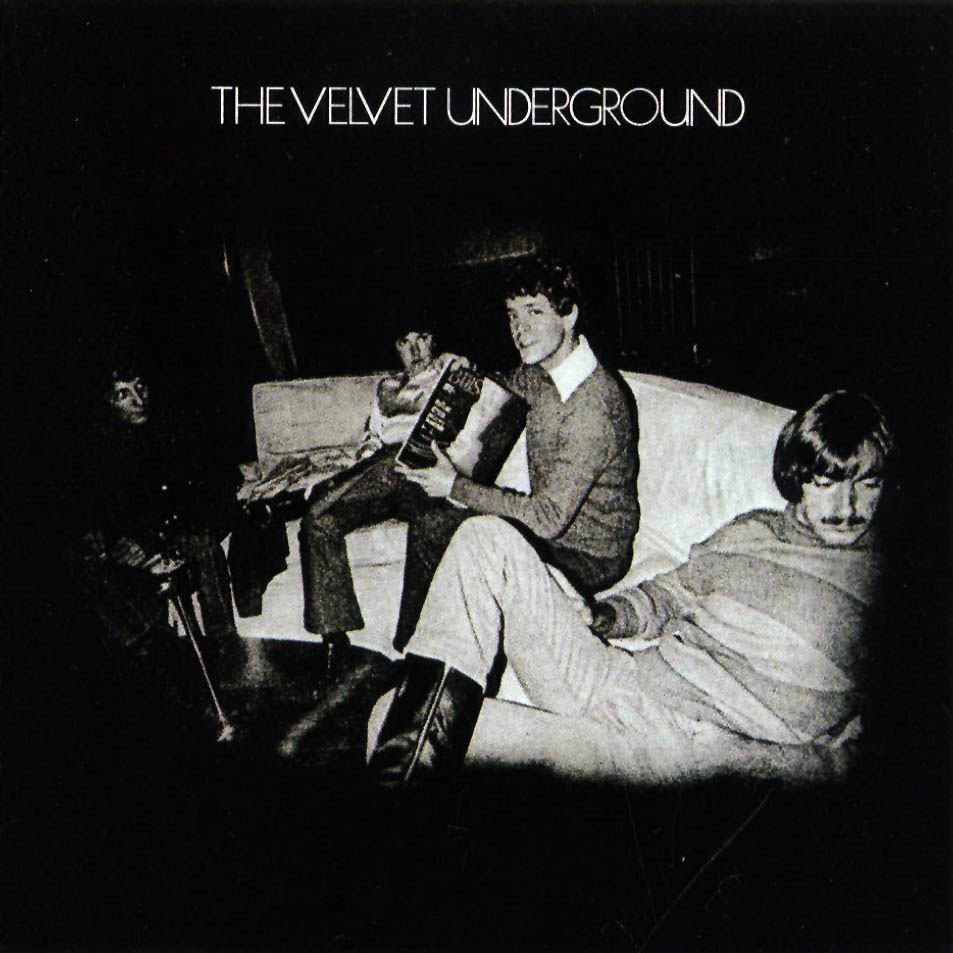
153. The Velvet Underground - The Velvet Underground (March 1969)


1. Candy Says*

2. What Goes On

3. Some Kinda Love

4. Pale Blue Eyes*

5. Jesus

6. Beginning to See the Light

7. I'm Set Free

8. That's the Story of My Life

9. The Murder Mystery

10. After Hours*


****1/2


If you're the sort of person who believes in "bests" then this probably isn't the best Velvet Underground album. The mix of in-your-face experimentalism with classic pop on ...& Nico, and the pure aural insanity of White Light/White Heat, tend to attract a lot more attention. Loaded, on the other hand, is just so damned accessible - I mean, it has "Rock & Roll" and "Sweet Jane" on it! But the older I get, the more I like The Velvet Underground best. Reed and co knuckled down and tried to write an album of commercial pop rock while still retaining the experimentalism of their earlier work. The result is an album of mostly clean guitars, containing mellow rockers and gentle ballads, where the sonic freak outs of the first two albums are twisted into more conventional song structures. It's an astonishing and truly ground-breaking album, but in a very understated and amiable way. The odd rhythms are still there, but slowed down and used to anchor beautiful melodies. The guitars are still weird and innovative, but they twist and wind around one another rather than bludgeoning you with white noise. And the lyrics are some of the best Reed ever wrote. "Candy Says" is a heart-breaking song from the perspective of a transitioning transsexual, and I kind of agree with Reed that it's probably the best song he ever wrote. "Pale Blue Eyes", another of my very favourites, is an incredibly mature love song about adultery and learning to accept that you can't always hold on to the one you love. And "After Hours", featuring the fragile, childlike vocals of drummer Moe Tucker, is the perfect closer - a 1920s-tinged number about turning away from the world and finding solace in isolation, even as you come to terms with the fact that it's really not what you want.

The only real misstep on the album is "The Murder Mystery". Reed claimed that it was positioned there as a cold rebuff to the story of personal growth told by the preceding eight songs. Personally, though, it just kind of sounds like an attempt to out-weird John Cale, who had left the group acrimoniously prior to the album. I mean, this song has a cool riff, and at first it's kind of fun in a "what the hell am I listening to?" kind of way, but it goes on far too long and getting to the end is something of a chore. Unsurprisingly, Reed himself apparently considered it kind of a failure. It serves its purpose on the album thematically, I suppose, and makes the appearance of "After Hours" twice as welcome, but that doesn't mean I have to like it. 

So yeah. Maybe they released "better" albums, but if I could only keep one it would probably be this. 


152. Elvis Presley - From Elvis in Memphis (June 1969)


1. Wearin' That Loved On Look

2. Only the Strong Survive

3. I'll Hold You in My Heart (Till I Can Hold You in My Arms)

4. Long Black Limousine

5. It Keeps Right On A-Hurtin'

6. I'm Movin' On

7. Power of My Love*

8. Gentle on My Mind

9. After Loving You

10. True Love Travels on a Gravel Road

11. Any Day Now*

12. In the Ghetto*


***1/2


I've never been a member of the cult of Elvis. I like some of his songs fine, and I've more or less enjoyed the Elvis albums I've had to listen to for this book, but I pretty much never listen to his music (the only real exceptions being that I have "Heartbreak Hotel" in my liked songs on Spotify, and his Christmas album gets dusted off once a year). From Elvis in Memphis is a very good album, and I can certainly see why so many people hold it in such high regard. But the gushing reviews kind of baffle me. I guess Elvis and I just don't click. 

Possibly this is because this is big, bold Sixties soul music. It's an excellent example of the genre, but as I've said on numerous occasions that's not really a genre I much care for. All of which makes it sound like I'm ragging on this album, but I'm really not. It's a perfectly nice listen, and for Elvis fans it must have been a real treat after watching him spend the 60s releasing dreadful film after dreadful film and mostly recording pop schmaltz. I'd say this is, of the three Elvis albums in the Book, easily the best one; and if Elvis had recorded more material of this calibre he might actually deserve to be called "King of Rock & Roll".

Still, this is in many ways a standard pop album - a bunch of pretty good songs, mostly covers, with one or two truly brilliant songs thrown in. And really, "The Power of My Love" is pretty awesome - a funky, down and dirty behemoth of a song that gives Elvis a chance to be genuinely sexy for the first time in years. Then there's the pretty ballad "Any Day Now", and the touching "After Loving You" - I know a lot of people would disagree with me, but I'll always maintain Elvis' real strength lay in pretty ballads.

This is something I think is proved by the final song on the album. Really, "In the Ghetto" had to be a closer. It's very much the odd song out. For the rest of its running time this is a fun album of well-played R&B, soul and country. "In the Ghetto", on the other hand, is a very pretty and very bleak number chronicling the short, sad life of a child born into poverty, who grows up to be a car thief and winds-up getting shot by the police. Now, I love this song, and I always have. When I was a kid in the late 90s, I lived in a podunk town in the country. Our mum used to take us to the pub (kids were allowed in the general area, but not the main bar), and my little sister and I would drink fire engines, play darts and pool, and hassle mum into giving us money to play songs on the jukebox. I remember our three favourites were "Jeremiah Was a Bullfrog", "We've Gotta Get Outta This Place", and "In the Ghetto". I was captivated by the sadness of the song, and the way it managed to tell a story in such a moving and well-constructed way. I guess I've always been kind of morbid. 

Anyway, this was a fun listen, and a must for Elvis fans. Even an unbeliever like me really enjoyed it. I can't imagine how much someone who genuinely loves the King's mush-mouthed warbling would like it. I guess in many ways Elvis' story is a bit of a sad one - a story of wasted potential and unmet expectations. He had it in him to be truly brilliant, but ended up being forced to grind out a load of crap. From Elvis in Memphis offers a glimpse of what might have been, even if it wound up being too little too late.


Monday, September 30, 2024

151. Dusty Springfield - Dusty in Memphis (March 1969)


1. Just a Little Lovin'

2. So Much Love

3. Son of a Preacher Man*

4. I Don't Want to Hear It Anymore

5. Don't Forget About Me

6. Breakfast in Bed

7. Just One Smile

8. The Windmills of Your Mind*

9. In the Land of Make Believe*

10. No Easy Way Down

11. I Can't Make It Alone


****


I can't remember the first time I heard "Son of  Preacher Man". Following the release of Pulp Fiction it became something of a staple of classic rock stations in the 90s, back when they still played music from the 60s and 70s. I do remember being captivated by it, though. I barely understood what sex was, and here's a song that's sexy and smart and soulful and irresistibly catchy all in one. And that really sums up this album. It's a classic pop album in that it's a selection of good songs (pretty much all covers), given a new spin by integrating pop with southern soul. But the approach is a magical one, and while there are many minor songs on this album there isn't a single bad one. 

I think this album's approach is best summed up by Springfield's version of "Windmills of Your Mind". The theme song to The Thomas Crown Affair, the original is a dark and paranoid folk number. Springfield and Co, however, twist it into a cathartic celebration of being driven to the edge of reason by love, sonically lush and almost upbeat, all in contrast with the borderline nightmarish lyrics. Apparently Springfield didn't want to record it, but I'm glad she relented. It's one of the oddest and most compelling songs I've ever heard.

At the other end of the spectrum is "Breakfast in Bed". Springfield at her best projects a smart, sophisticated and extremely classy brand of sensuality, and her vocals are beautifully served by the understated soul backing track. 

Given that this is really just a collection of songs, it holds together quite well as an album. The numbers are very well-chosen, and the album is structured so that things gradually progress from upbeat and sexy to darker and more wistful by the end. But things never get too dark, really. It's the sort of album you could put on post breakup, or at an easy going cocktail party, and either way it would fit perfectly. 


150. Nick Drake - Five Leaves Left (July 1969)


1. Time Has Told Me

2. River Man*

3. Three Hours

4. Way to Blue

5. Day Is Done

6. Cello Song

7. The Thoughts of Mary Jane

8. Man in a Shed*

9. Fruit Tree*

10. Saturday Sun


****


One of the frustrating things about doing this is that I'm often listening to music I don't like when I'm not in the mood for it. I tried to listen to Five Leaves Left yesterday and got annoyed. I woke up this morning, however, feeling sad and weird, with that odd sensation of nakedness that I sometimes experience that feels as though the world were trying to stab my soul. So I put this album on, and found it was the perfect antidote to my occasional feelings of hopelessness and fear.

It's kind of impossible to talk about Nick Drake without mentioning the mythology that surrounds him. A painfully shy young man who would almost certainly have been diagnosed with ASD had he been born a few decades later, he stumbled through life making counterintuitive bids at fame that completely eluded him, recorded three eerily perfect albums of melancholy folk music, and died (more than probably a virgin) at the age of 26 from an overdose of antidepressants that may or may not have been deliberate. A peerless guitarist with a soft, enchanting voice, his lyrics were at once deeply obscure and oddly resonant. With the benefit of hindsight, they describe the journey of a young man from a hopeful outsider who's optimistic that he'll one day, given time, find what he wants in life, to an embittered recluse who's unwillingly accepted that he simply has no place in the world. His three albums are like one long suicide note. As a consequence, he's become something of a patron saint for disaffected weirdos who, for one reason or another, just can't seem to fit in.

Despite all I've just said, Five Leaves Left is a largely optimistic album. The dark atmospherics are tempered by lush arrangements and uplifting melodies, and while Drake's lyrics explore alienation and the gulfs between people, they also give the sense of someone who is still hopeful, and perhaps even comfortable in their isolation. The best example is probably "Man in a Shed", a wryly funny song that's probably the most direct thing Drake ever wrote, about a weirdo who lives in a shed trying to seduce a woman who lives in a beautiful house, not really expecting to succeed but arguing that she might find that a shed is actually much nicer than she thinks.

The main thing that Drake trafficked in, though, was beauty. You may not always be sure what he's getting at, but his studio recordings are gorgeous and haunting, and nothing really captures this better than the strange and enchanting "River Man". It could be an old folk song that fell through a portal to another dimension. In any case, it was the first Drake song I ever heard, and the song that convinced me I needed to check him out.

 I still prefer his last two albums to his debut, probably because they were the two I owned on CD for years, but this is a strange and beautiful album, perfect for when the stress of the modern world is getting you down and you want to wander in a twilight world and ponder the great imponderables. Bryter Layter is baroque and rocking, while Pink Moon is stark and compelling, but Five Leaves Left is just so damned pretty. A very melancholy kind of pretty, but then that's the kind of pretty I like best. 


Sunday, September 29, 2024

149. The Rolling Stones - Let It Bleed (November 1969)


1. Gimme Shelter*

2. Love in Vain

3. Country Honk*

4. Live with Me

5. Let It Bleed

6. Midnight Rambler

7. You Got the Silver

8. Monkey Man

9. You Can't Always Get What You Want*


***1/2


More of the deeply frustrating, frequently off-putting, occasionally brilliant Roling Stones. Maybe the greatest singles band of all time, but their albums just don't do it for me. There are a few reasons for this, all I suppose pretty idiosyncratic. 

The first is that Mick Jagger is an affluent white guy from Britain who really, really wants to be a poor Southerner (ideally, a black one). It's weird. 

The second is the band's obsession with trying to make poverty, substance abuse and risky sex seem, for lack of a better word, poetic. Once again, these are very wealthy guys from middle class backgrounds, and few things piss me off more than rich people from good homes trying to sound poor. I also sincerely doubt Mick Jagger spent as much time hanging around in squallid basements shooting heroin as his lyrics seem to insist he did. 

The third is just that these are incredibly talented musicians and songwriters, and yet most of their music is just really well-played filler. Don't get me wrong, there are two absolutely brilliant songs on this album. And the Stones really do push music in some new and interesting directions - the style of music on this album, a clever mix of folk, blues, gospel and rock, would basically come to define the early 70s. But then you have crap like "Monkey Man" and the long, pointless jam "Midnight Rambler" almost completely tanking side two of the album. And "Love in Vain" is just a pointless exercise in attitude with utterly banal lyrics. The Stones seem to be trying to tap into the awesome power of Americana and American roots music, but they just don't have the lived experience and direct connection to the material to manage anything more than a bit of technically impressive play acting. I'm sorry, but I need a bit more to go on than something sounding really "real" and "bluesy". A decent hook might be nice, which "Country Honk" at least has even if it's not as good as the rock version.

All of which sounds pretty damning, but I'd say the complete opposite about the opening and closing tracks. On "Gimme Shelter" and "You Can't Always Get What You Want", the band are firing on all cylinders, and Jagger manages to tap into subjects that genuinely matter and that he feels strongly about. "Gimme Shelter" is fucking apocalyptic, and perfectly captures the sense of dread and uncertainty in the air as the 60s came to a close. It also features one of the greatest guitar riffs ever devised, which helps. It still sounds like nothing else, a nightmarish mix of hard rock, psych and gospel that unfortunately sits completely at odds with the more mellow material making up the bulk of the album. 

"YCAGWYW" on the other hand, goes in the opposite direction. I don't have to describe it to you, as you've probably heard it about a hundred times, but it's a bold, risky track that shouldn't work yet really does. It's also one of the few moments on the album when Jagger drops the bullshit and sings about something real - there's no pseudo-Bluesman bullshit, just a direct and affecting song about learning to let go of the past and be grateful for what you've got. 

So yeah, I can see why people like this album so much, and it really is very good. It's just that I think the bookends have led people to overlook the weakness of the majority of the album and accord it legendary status when it's really just a mishmash with a couple of great songs and a couple of real duds.

Also that cover art is just awful. 


168. King Crimson - In the Court of the Crimson King (October 1969)

  1. 21st Century Schizoid Man * 2. I Talk to the Wind * 3. Epitaph (Including "March of No Reason" and "Tomorrow and Tomorr...